A spring garden checklist for North London
Spring is when a garden asks for the most, and the order you do things in matters. Here is a checklist for North London gardens, with the timings the RHS gives, and the nesting bird checks that come with the season.
 Knights GardensAbout 5 minutes’ read
The lawn: first mow, feed and moss
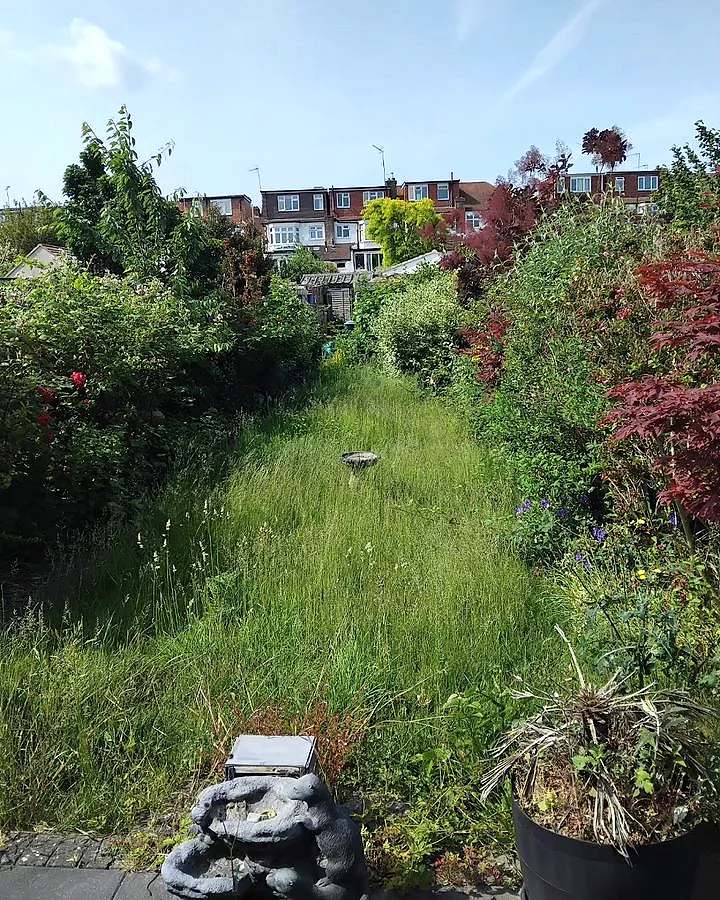
Once the grass starts growing in spring, begin regular mowing. It keeps the lawn growing strongly and discourages weeds, and our guide to how often to mow your lawn has the heights and the rules. The RHS says to feed in mid-spring, while the grass is actively growing, which is usually late March to April, with a spring and summer lawn feed at the manufacturer’s rate. One application is usually enough, and feeding is only needed if the lawn looks as though it needs it. Spread it evenly in cool, moist conditions with rain on the way.
Moss is common in damp, poorly drained lawns, which describes plenty of North London gardens on clay. In spring you can rake it out and add it to the compost heap. For weeds in an all-grass lawn, hand-weeding is effective. Established lawns rarely need watering in spring, because autumn-to-spring rain is usually enough.
Repairing bare patches
The RHS says spring and autumn are the ideal times to repair a lawn, because conditions are damp and cool. Cut out the damaged area in a square about 5 cm deep, loosen the soil, work in topsoil or compost, and firm it level. Sow seed at the packet rate, usually 15 to 25 g per square metre, cover it lightly, and water gently. Use a shade mix in shady spots and a hard-wearing utility mix where there is heavy wear. Keep new seed and turf watered if rain is lacking. If the whole lawn is past repair, see lawns and turfing.
Pruning in spring
The RHS says many summer and late-summer flowering deciduous shrubs can be pruned between January and March, and that established bush and standard roses are pruned as they start growing but before any leaves unfurl. Buddleja and other shrubs that flower on the current season’s growth are pruned in early to mid-spring once severe weather has passed. Shrubs that flower in spring, such as forsythia, weigela and philadelphus, wait until just after they flower. Tender evergreens such as choisya are best left until April. After pruning, mulch and feed. Our guide to when to prune trees and shrubs gives the full calendar.
Planting and mulching
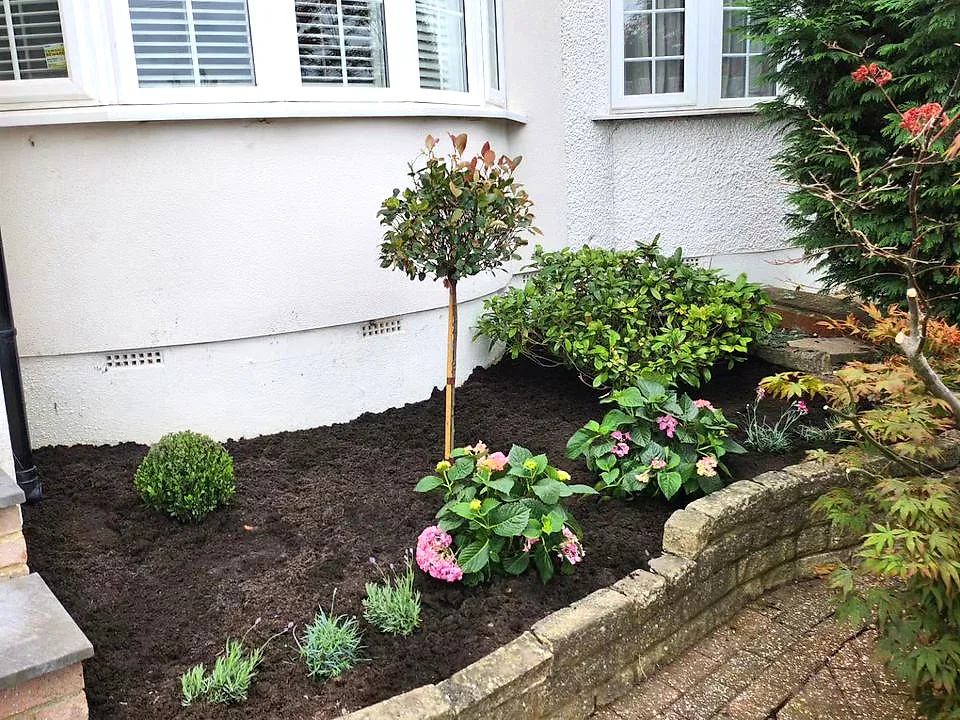
In March the RHS says to keep planting deciduous hedging, shrubs, trees and climbers, with evergreens left unplanted since autumn going in towards the end of the month. March is the best month to plant roses on heavy soils or in cold areas,, and much of North London is heavy clay. Avoid sites where roses grew before, because of replant disease. See planting if you would like it done for you.

Frost, and when to plant out
Last frost and safe planting are not the same date. The RHS says the last spring air frost usually comes two to four weeks before it is safe to plant out, and that a ground frost can still stunt or kill tender plants after that. For southern England it gives the second half of May, with urban areas one to two weeks earlier and exposed or elevated sites one to three weeks later, and says to wait until overnight lows reliably stay above 7 degrees Celsius. Plants raised indoors need two to three weeks of hardening off first. Muswell Hill and Highgate sit on a hill, so allow the later end of that range if your garden is exposed.
Hedges, ivy and nesting birds
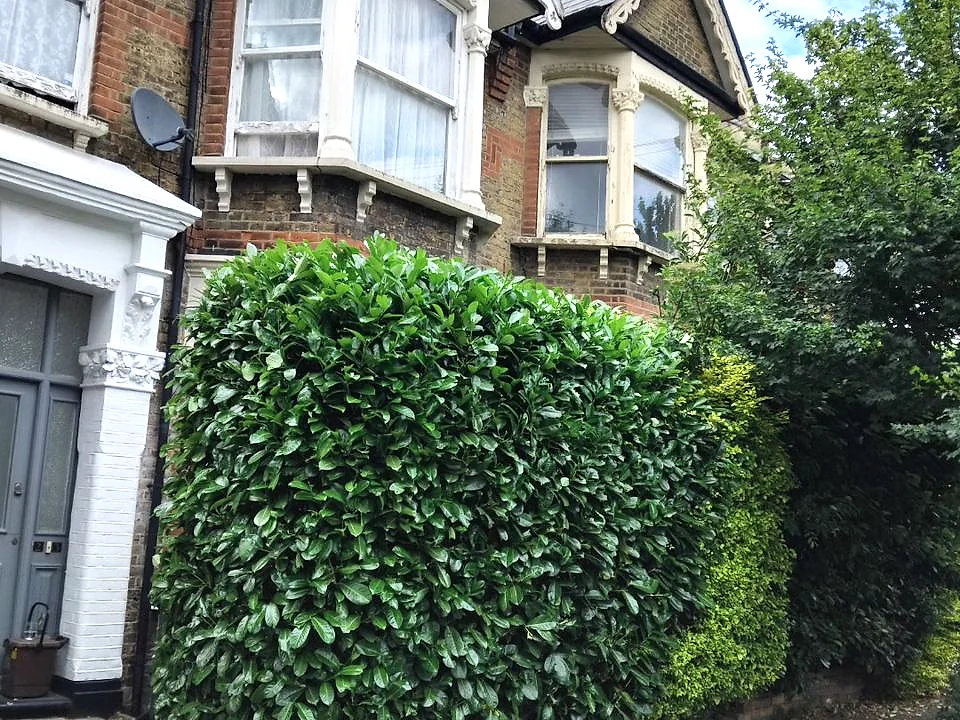
The RSPB’s recommended window for cutting hedges, 1 September to 28 February, has closed by March. The RHS says the nesting season generally lasts from March to August, and may be longer, and that damaging an active nest is an offence. So before you cut a hedge, trim ivy or clear overgrowth, look carefully for nests, and leave any section where one is in use. Our guide to when you can cut a hedge explains the law.
Paths, patios and fences
Winter leaves stains and green on paving, and a windy spell can leave fences and gates loose. A wash brings a patio back; see pressure washing. Walk the fence line, and look at the posts and the gravel boards. If you have decking, our guide to looking after timber decking covers the spring clean.
If you would rather hand it over
A spring tidy-up, with lawn, beds, shrub pruning and waste taken away, is what a one-off garden maintenance visit is for, and regular visits keep it that way through the growing season. We look after gardens in Muswell Hill, Highgate and Southgate, among many other parts of North London.