Winter garden jobs and leaf clearance in North London
The garden slows down in winter, but not to nothing. Leaves still need clearing, some pruning is best done now, and a few quiet jobs make spring easier.
 Knights GardensAbout 5 minutes’ read

Why leaves need clearing
A layer of wet leaves does harm in three places. On a lawn it blocks light and moisture from the grass, and the RHS advises removing leaves for that reason. On paths, steps and decking it turns into a slippery film. And on drains, gullies and the edges of beds it holds water where you don’t want it.
Leaf fall carries on well into December in many North London streets, so one big clear-up in October is rarely enough. A quick pass every week or two takes less time than one big job after a month of neglect.
How to clear leaves
- Rake or use a leaf blower for lawns and beds. Rake for small areas, because it is quieter and gentler on the grass.
- Mow the lawn on a dry day. The RHS notes that mowing leaves off a lawn chops them up, which speeds up rotting and makes a finer result.
- Sweep paths and steps regularly, since wet leaves on paving are a slip risk.
- Keep gullies and drains in the garden clear so rainwater can get away.


What to do with the leaves
Leaves make leafmould, a free soil improver and mulch. The RHS says leafmould needs only leaves and moisture: pack damp leaves into a cage of four stakes and chicken wire in a shady corner, or into perforated bin bags. No turning is needed. Shredded leaves can be usable within 6 to 12 months, and after a couple of years the result is a fine, soil-like material.
Oak, birch, beech, hazel and hornbeam leaves rot down well. Tougher leaves such as sycamore, plane and evergreens take longer, and conifer needles can take two to three years. Conifer hedge clippings are better on the compost heap than in leafmould.
If there is more than you can use, the leaves and other garden waste can be bagged and taken away; see garden rubbish removal. Your council may also run a garden waste collection, so check what yours offers.
Winter jobs worth doing
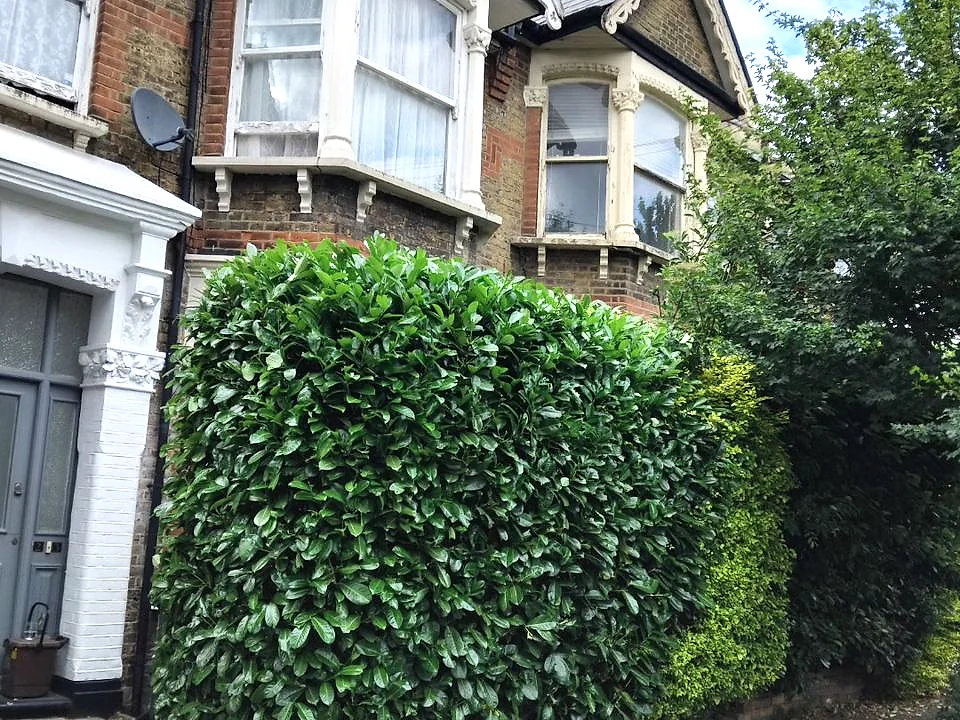
- Hedges. The RSPB’s recommended window for cutting hedges is 1 September to 28 February, so winter is the time for a hard cut-back of an overgrown hedge. Check for nests first, as some birds start in January or February. Our guide to cutting hedges explains how.
- Fruit trees. The RHS lists winter as the season for pruning apples and pears. Check the tree isn’t protected before you start; see our guide to tree work and council consent.
- Lawns. Stay off frosty or wet grass: the RHS warns that walking on it compacts the soil. Autumn to early spring is also a good season for laying new turf when the weather suits; see our guide to autumn lawn care.
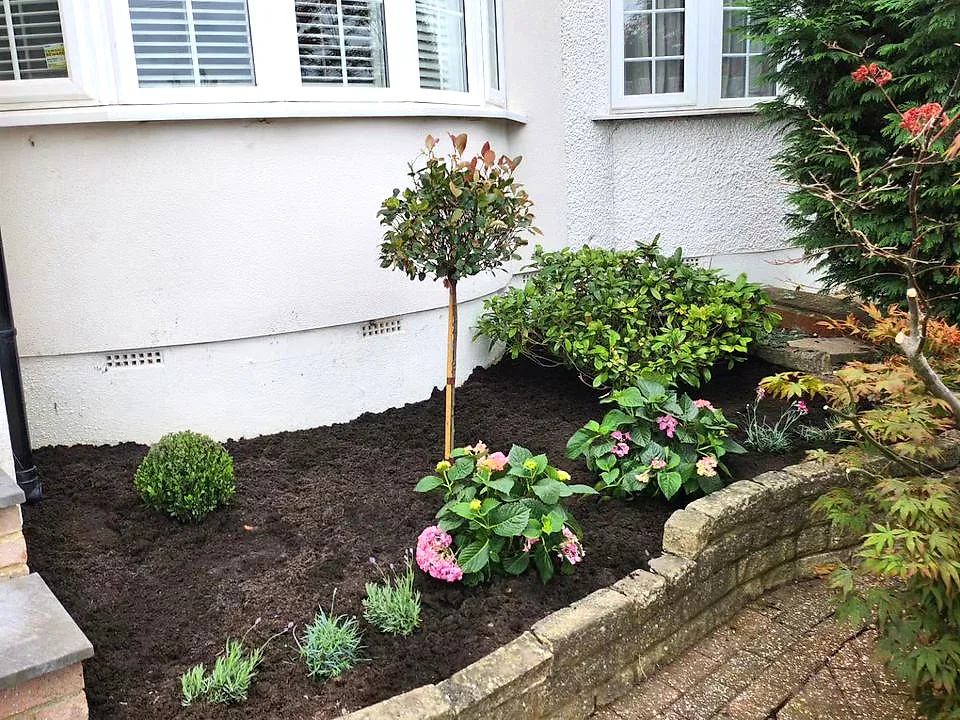
- Overgrown beds and borders. Bare stems make it easier to see what is there and what should go. Cut back ivy and unwanted shrubs with the same care for nests.
- Fences and gates. A walk round after the autumn gales shows loose panels and failing posts before they become a bigger job.
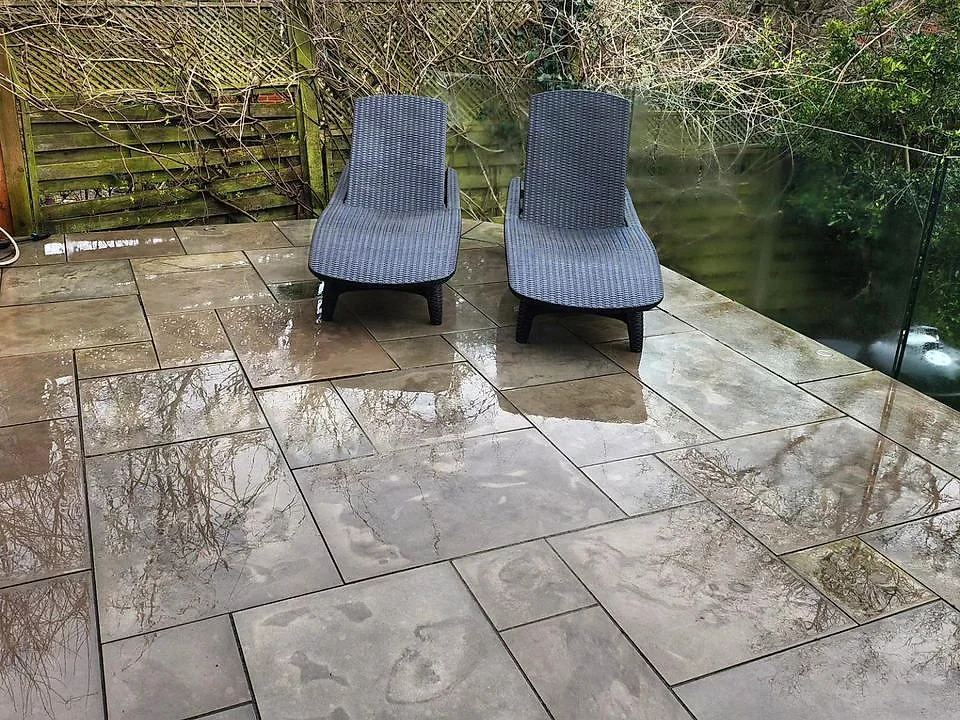
- Paving, steps and decking. Moss and algae make surfaces slippery when wet. A pressure wash on a mild, dry day does the job; avoid washing when frost is forecast, as the water can freeze on the surface. See pressure washing.
- Planting. Winter is the season for bare-root hedging plants and trees, sold without soil. Plant them when the ground isn’t frozen or waterlogged. See planting.
What to leave until spring
Don’t prune spring-flowering shrubs now, or you will cut off the flowers: prune them after they bloom. Leave seed heads and a few piles of leaves in a quiet corner, where birds and insects can use them, until the weather warms. Cut back perennials once the worst of the cold has passed, rather than all at once in November.
A simple winter checklist
- Clear leaves from lawns, paths, steps and drains, and keep doing it until leaf fall ends.
- Start a leafmould cage or fill a few perforated bags.
- Check hedges for nests, then cut if they need it, before 28 February.
- Prune apples and pears, if they are not protected.
- Walk the fences and gates after a windy spell.
- Pick a mild, dry day to wash slippery paving.
When to ask for help
Leaves and waste are part of a garden maintenance visit; see garden maintenance. If the garden has got away from you, garden clearance cuts back overgrowth, ivy and unwanted shrubs and takes the waste away. We look after gardens in Muswell Hill, Crouch End, Highgate and many other parts of North London.