Garden clearance: what happens and how to prepare
A garden clearance takes an overgrown plot back to bare, workable ground. Knowing what happens, and what to check before the first cut, makes the job quicker and avoids a few expensive mistakes.
 Knights GardensAbout 5 minutes’ read
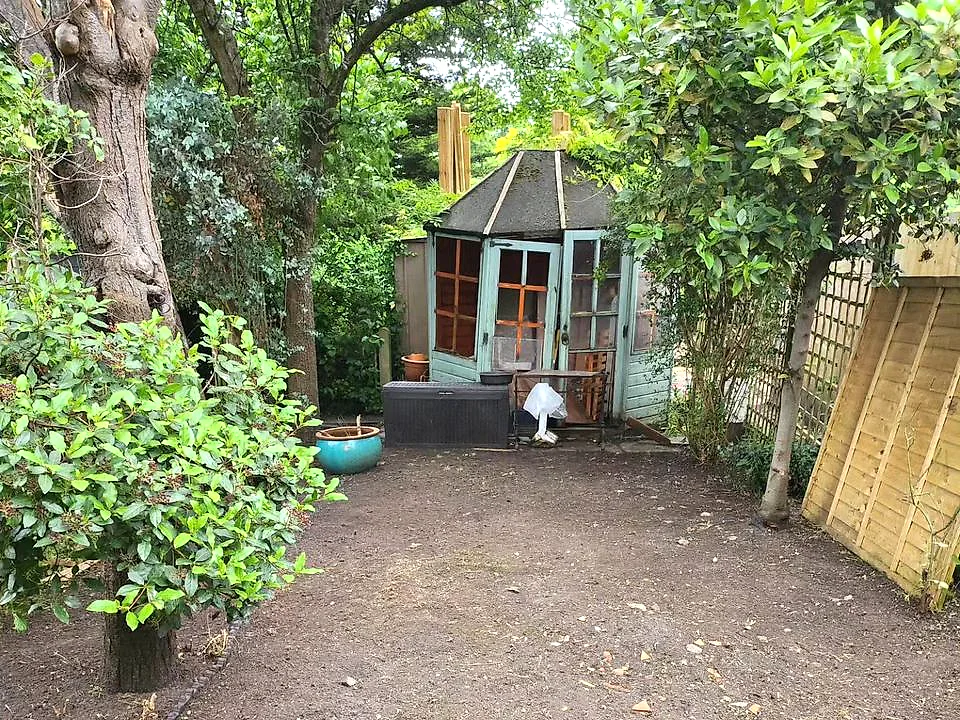
What a garden clearance involves
A clearance is for a garden that has got away from you. Typically that means long grass, weeds and brambly growth cut back, ivy stripped and unwanted shrubs and small trees taken out, sometimes with an old shed or a concrete path removed, and the waste bagged and taken away so you are not left with the pile. The aim is bare, workable ground. The jobs we do are listed on our garden clearance page.
Clearing is usually the first step, not the last. Once the ground is clear you can see what you have, and it is ready for whatever comes next.
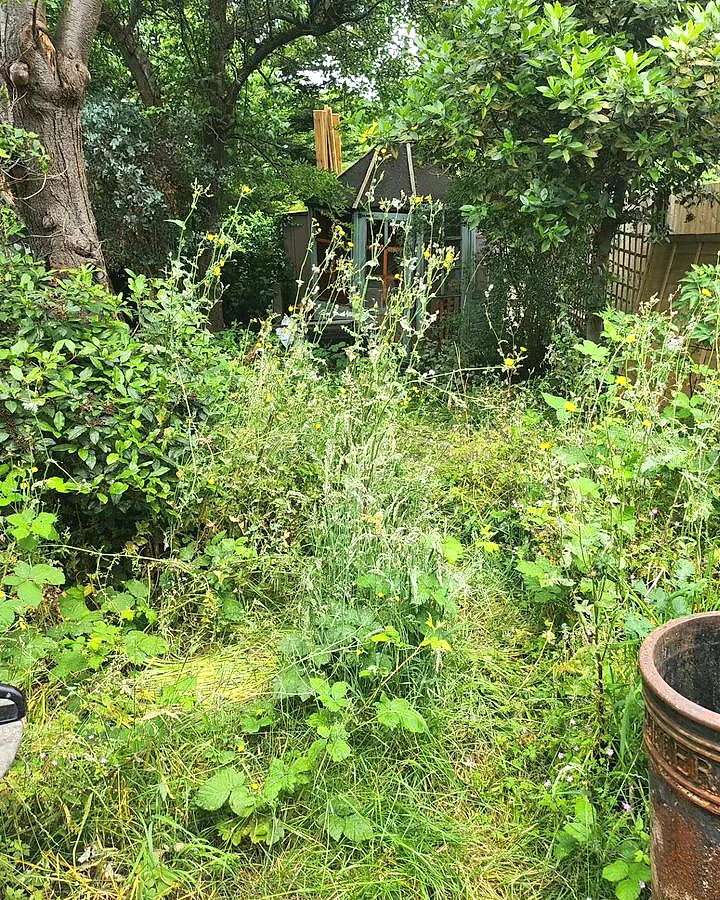
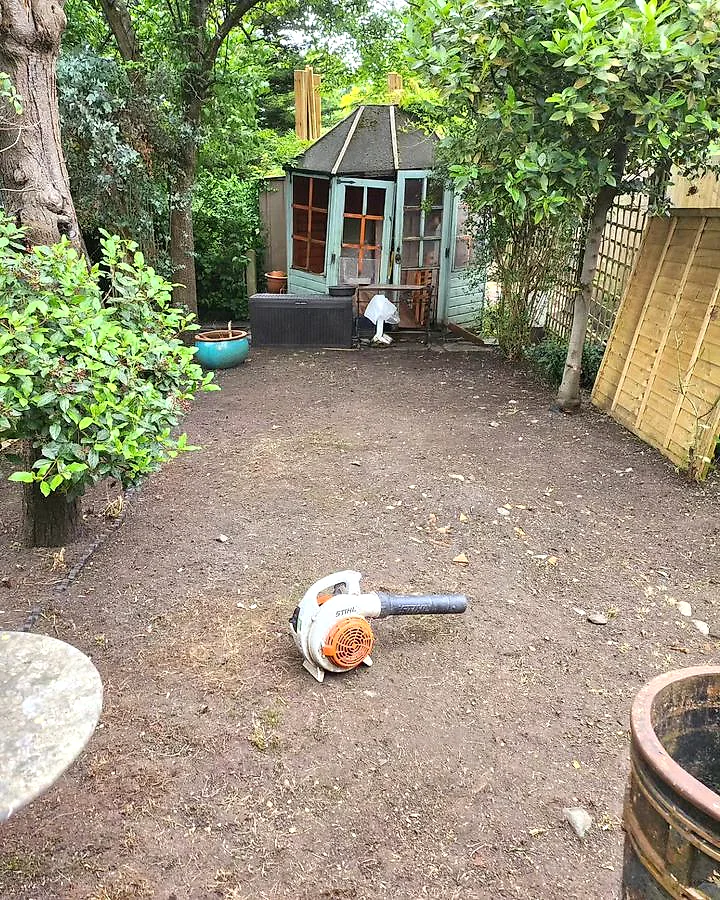
Before the first cut: what to check
- Nesting birds. The RHS says the nesting season generally lasts from March to August and may be longer, and that damaging an active nest is an offence. Thick ivy and overgrowth are popular nesting places, so a spring or summer clearance needs a careful look first. Our guide to when you can cut a hedge explains the law.
- Protected trees. A tree with a Tree Preservation Order, or one in a conservation area, needs the council’s consent or notice before work. See our guide to tree work and council consent.
- Invasive plants. GOV.UK says you must stop Japanese knotweed on your land spreading off your property, and you can be prosecuted for causing it to spread into the wild. If you think you have it, get it identified before anything is cut or dug, because its waste has its own rules.
- The boundary. If the clearance runs up to a fence, wall or hedge shared with a neighbour, agree where the boundary is first. GOV.UK says there is usually no record of who owns the hedge, wall, tree or fence between two properties.
How to prepare
- Walk the garden and decide what stays. Tie tape or string round anything you want kept, and mention it when you ask for a quote.
- Think about access. Many North London properties have no side passage, so ivy, branches and old shed panels have to come out through the property. Clear a route and protect the floor.
- Tell whoever is doing the job where a vehicle can stop. Parking in many streets is controlled.
- Take photos from two or three angles, with something in the picture for scale.
- Warn the neighbours about the noise and the vehicle. It costs nothing and avoids complaints.
Where the waste goes
Cut growth, soil, old timber and rubble all have to go somewhere legal. The Environment Agency suggests three checks before you hand waste to anyone. Look the business up on the public register of waste carriers, brokers and dealers and confirm it has a valid registration. Ask where the waste is going, and check that it is a legal waste site. And be wary of cash-only offers: carriers that invoice with bank details are more likely to be operating legally, and you should get a receipt.
A bonfire is not a way round this. GOV.UK says councils must look into complaints about smoke that could be a statutory nuisance and can serve an abatement notice, and it suggests composting or recycling garden waste instead. For the council collections and recycling centres in North London, see our guide to getting rid of garden waste.

What happens afterwards
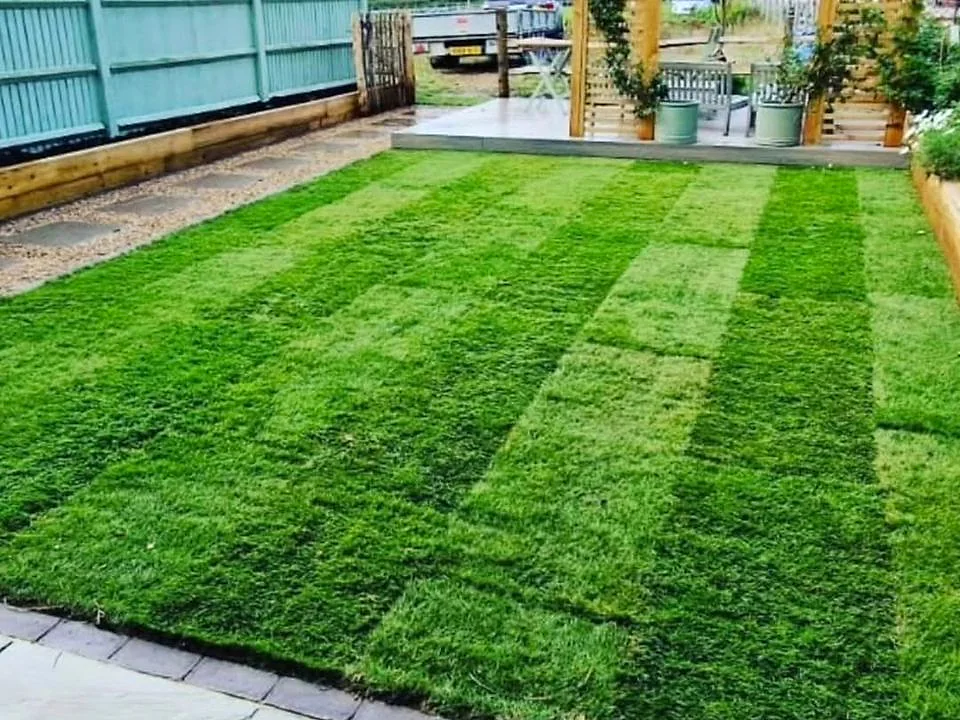
With the ground clear, there are choices. A worn or overgrown lawn can be replaced; see lawns and turfing. A tired boundary can be renewed while it is easy to get at; see fencing. And garden maintenance on a regular visit keeps the garden from getting overgrown again.
Clearance or just waste removal?
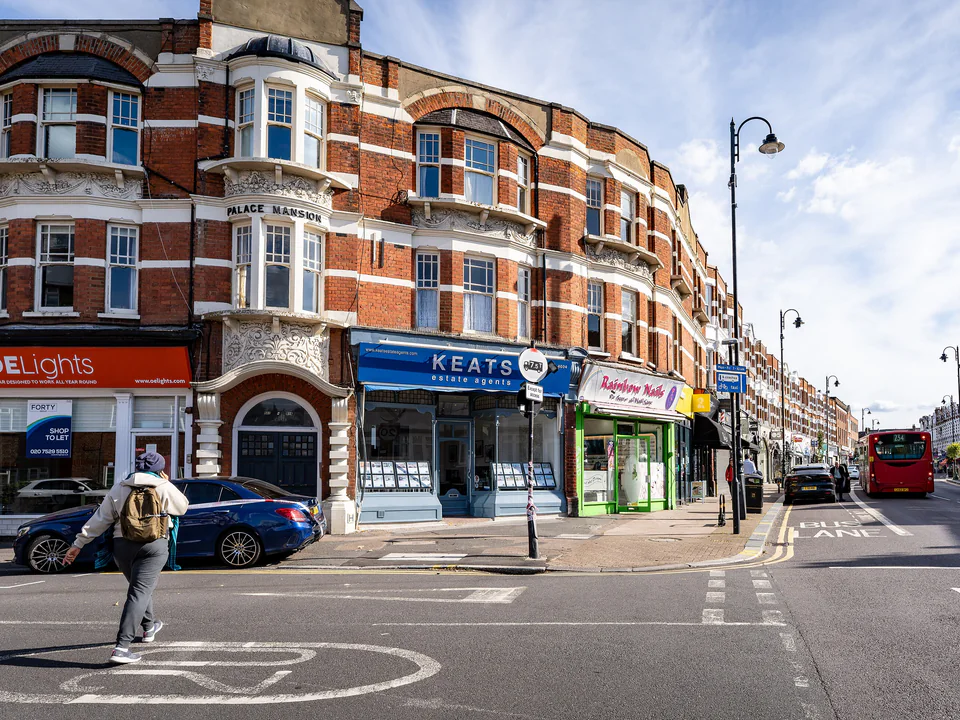
If the work is done and you only have a pile of cuttings or bags to shift, you don’t need a clearance, just garden rubbish removal. If the garden needs cutting back first, that is a clearance. Either way, a few photos and a sentence or two about access are what we need for a quote. We look after gardens in Muswell Hill, Highgate and Tottenham, among many other parts of North London.